

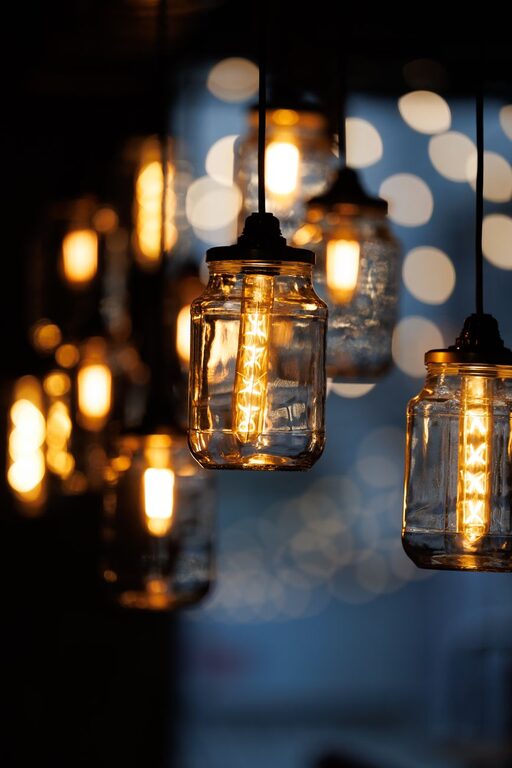
Creating a comfortable home environment goes beyond furniture and decor—lighting plays a crucial role in setting the mood, enhancing task performance, and influencing overall well-being. Choosing the right home lighting can transform any room into a welcoming and relaxing space. In this post, we’ll guide you through essential tips to help you pick lighting that is both comfortable and functional for your home.
Understanding the Basics of Comfortable Lighting
Before diving into specific tips, it’s helpful to understand what makes lighting comfortable. Comfortable lighting:
– Is balanced, avoiding harsh contrasts or glare
– Supports different activities, such as reading or cooking
– Complements natural light sources
– Matches the room’s purpose and style
By keeping these principles in mind, you can create a lighting scheme that feels pleasant throughout the day.
Consider the Function of Each Room
Different rooms have distinct lighting needs. Start by assessing how you use each space:
Living Room
This is a multi-purpose area for relaxing, entertaining, and sometimes working. Choose adjustable lighting that allows you to change brightness and warmth. Layered lighting—combining overhead lights with floor or table lamps—helps create a cozy atmosphere.
Kitchen
Bright and focused lighting is essential here to safely prepare food. Use task lighting under cabinets or over counters to illuminate work areas. Combining this with ambient lighting ensures the kitchen stays inviting.
Bedroom
Soft, warm lighting encourages relaxation and better sleep. Avoid bright, cool lights in bedrooms. Consider bedside lamps with dimming options and warm color temperatures.
Bathroom
Bathrooms require bright, even lighting for grooming and hygiene tasks. Vanity lights around mirrors can reduce shadows on your face. Choose moisture-resistant fixtures for safety and durability.
Choosing the Right Bulbs
The type of bulb you select greatly affects comfort. Here are factors to consider:
Color Temperature
Measured in Kelvin (K), color temperature influences the warmth or coolness of light:
– Warm light (2700K–3000K): cozy, relaxing, ideal for living rooms and bedrooms
– Neutral light (3500K–4100K): balanced, good for kitchens and bathrooms
– Cool light (5000K+): bright and energizing, often used for task lighting
Brightness
Measured in lumens, brightness should fit the room size and purpose. For example, a reading nook may need around 450 lumens, while living room overhead lights might require 1500 lumens or more.
Bulb Type
LED bulbs are energy-efficient, long-lasting, and come in various color temperatures. They are generally the best choice for home lighting today.
Use Layered Lighting for Flexibility
Layered lighting includes three types:
– Ambient lighting: General, overall light in a room
– Task lighting: Focused light for specific activities
– Accent lighting: Highlights features like artwork or architectural details
Combining these layers with dimmers or smart controls lets you customize the mood and functionality easily.
Avoid Glare and Harsh Shadows
Glare can cause eye strain and discomfort. To minimize it:
– Use lampshades or diffusers to soften light
– Position lights to avoid directly shining into eyes
– Opt for frosted bulbs or fixtures that scatter light evenly
Similarly, avoid harsh shadows by placing multiple light sources around the room. This balances illumination and reduces contrast.
Match Lighting to Interior Style
Lighting fixtures contribute to your home’s aesthetic. When choosing fixtures:
– Pick styles that complement your decor—modern, rustic, traditional, etc.
– Consider finishes and materials that blend well with your furnishings
– Remember that fixture size should be proportional to room dimensions
Comfortable lighting feels natural and cohesive within the space.
Incorporate Natural Light
Natural daylight is the most comfortable and healthful light source. Maximize it by:
– Using sheer curtains or blinds to control brightness without blocking light
– Positioning mirrors to reflect daylight deeper into rooms
– Choosing window treatments that allow easy adjustment
Balance natural light with artificial lighting to keep spaces comfortable throughout the day.
Smart Lighting Solutions
Modern technology offers convenient ways to improve comfort:
– Dimmers: Easily adjust brightness levels
– Smart bulbs: Change color temperature and brightness via apps or voice commands
– Motion sensors: Automatically turn lights on or off, enhancing ease and efficiency
These tools help personalize your lighting experience.
Energy Efficiency and Comfort
Choosing energy-efficient lighting like LEDs reduces electricity costs and environmental impact without sacrificing comfort. Look for Energy Star-rated bulbs and fixtures to ensure you get high-quality, efficient products.
Final Thoughts
Comfortable home lighting is about more than brightness—it’s about creating a space that feels inviting and suits your daily activities. By considering the function of each room, selecting appropriate bulbs, layering light sources, and minimizing glare, you can enhance both your home’s beauty and livability. Whether you prefer modern smart lighting or classic fixtures, thoughtful choices will brighten your home in the best way possible.